
The Bukit Peninsula is one of Bali’s most reliably photogenic corners — and the least predictable. Unlike Ubud’s rice terraces or Seminyak’s beach clubs, the Bukit keeps surprising you. A staircase with no sign that opens onto a cave beach. A clifftop warung with a view that puts professional resorts to shame. A temple that turns gold at exactly 5:48pm and then retreats into shadow.
This guide covers the best photography locations across three zones of the Bukit: Uluwatu (the clifftop south), Jimbaran (the bay north), and Ungasan (the plateau centre). We’ve included best times, tide considerations, and what to actually shoot when you get there.
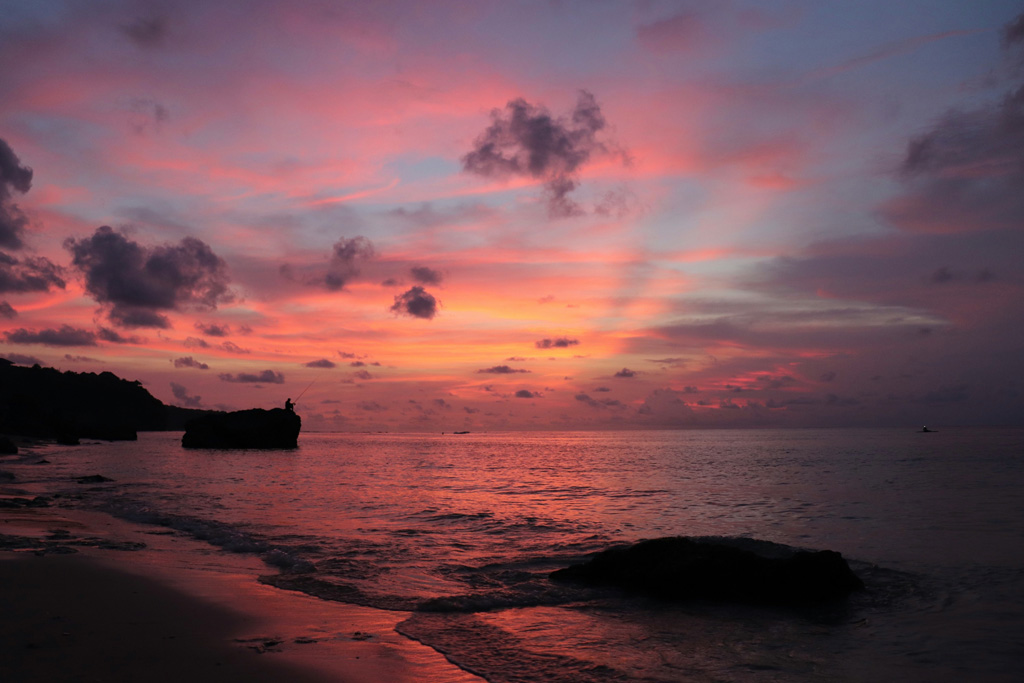
ZONE 1 — ULUWATU: DRAMA AT THE EDGE OF THE WORLD
Uluwatu is built for photographers who want scale. Seventy-metre limestone cliffs, ancient temples hanging over the ocean, and a light quality in the evening that makes everything look like a film still. Here are the must-shoot spots.
- Pura Luhur Uluwatu — best at: 5pm–6.30pm (golden hour to sunset)
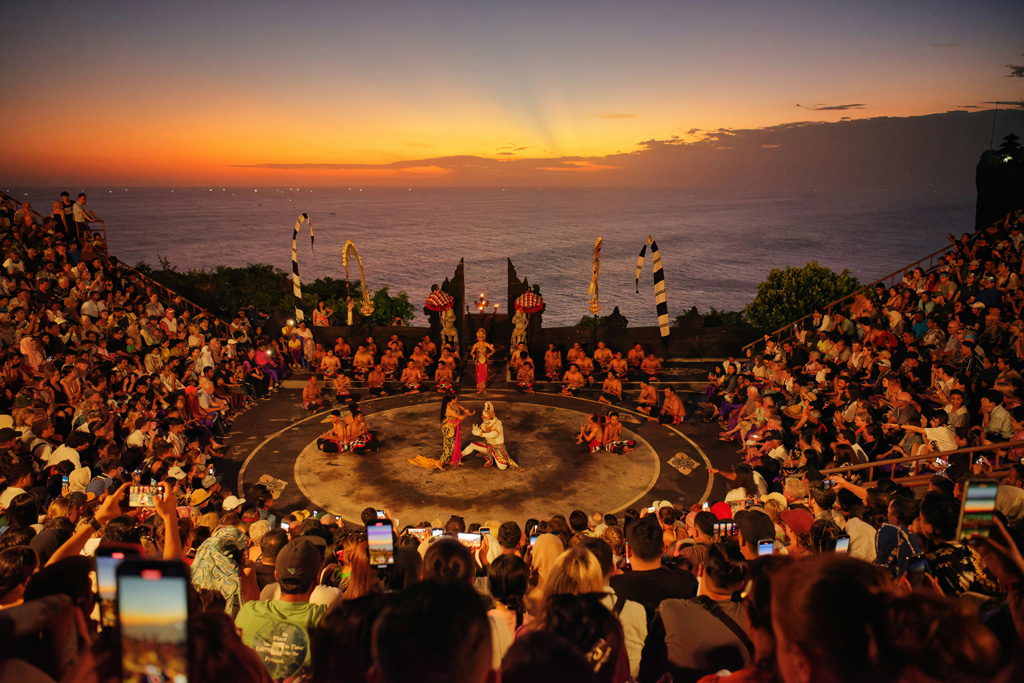
The iconic clifftop temple with the Indian Ocean as its entire backdrop. Shoot from the outer viewing platforms for the widest framing of temple-against-sky. The Kecak fire dance begins at 6pm and the fire-lit performers against the darkening ocean are among the most dramatic frames available in all of Bali. Entrance fee applies; wear a sarong. - Suluban Beach & Blue Point — best at: low tide, any time of day
Access via Single Fin Beach Club’s staircase. The beach itself is nestled between cliff faces and is only fully accessible at low tide — always check a tide chart (Tides Chart app works well) before descending. The sea caves and rock crevices create extraordinary natural framing for portraits or moody solo shots. The cliff entrance tunnel alone is one of the most dramatic architectural shots on the peninsula. - Suluban cliffside viewpoint — best at: 4.30pm–sunset
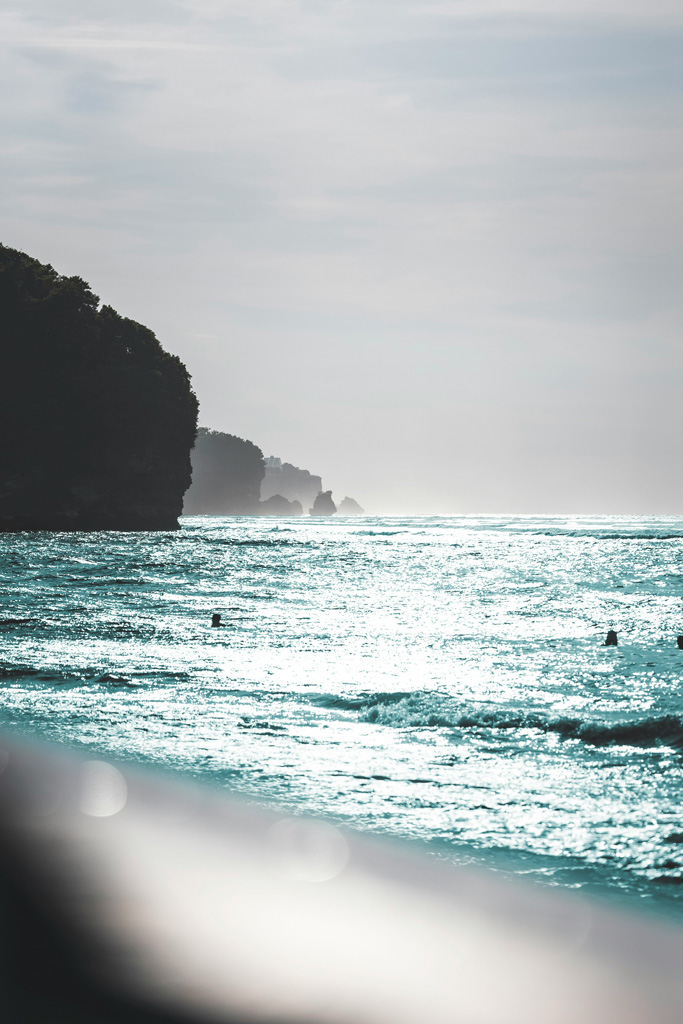
The clifftop above the Suluban sea cave is freely accessible and offers some of the best ocean-framing on the entire coast. The ocean below is turquoise against the black reef at low tide. Bring a wide lens and a telephoto — the contrast between the glassy reef pools and the open ocean makes for a remarkable two-frame sequence. - Bingin Beach staircase & beach — best at: 6.30am–9am or 3.30pm–5pm
The descent to Bingin is steep and delivers you directly onto a beach known for its surf and its calm morning energy. The staircase itself — with cliff walls on both sides and ocean straight ahead — is a great lead-line shot. On the beach, the limestone outcrops frame surfers in the mid-distance naturally. Morning light here is soft and golden; afternoon delivers harder shadows that suit black and white.
Explore the Bukit Peninsula by scooter from your vacation home — see our stays & direct deals
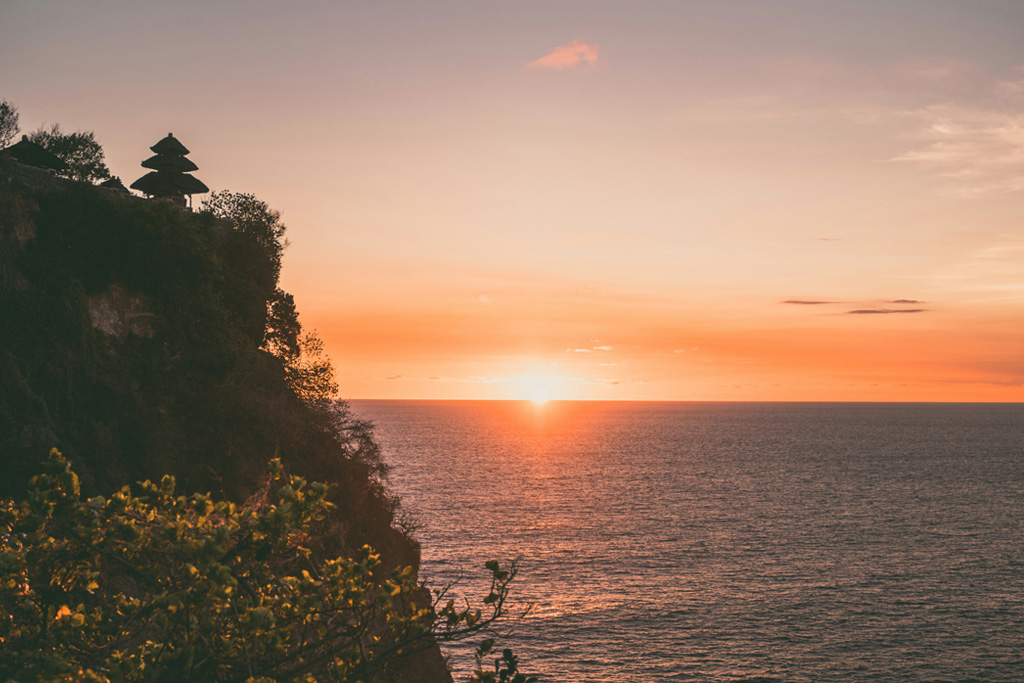
ZONE 2 — JIMBARAN: THE BAY, THE CLIFFS & THE HIDDEN BEACH
Jimbaran sits 15 minutes north of Uluwatu by scooter and is quieter, more bay-facing, and — for photographers — significantly underrated. The west-facing bay means reliable golden-hour light on the water from noon onwards.
- Tegal Wangi Beach — best at: low tide, 6.30am–9am or 4pm–sunset
One of the most beautiful and least-visited beaches on the peninsula. Accessed from a viewpoint above Jimbaran where a cliffside path leads down to tide pools, caves, and a narrow beach framed by limestone walls. The combination of cliff-top panorama and cave-level textures makes it genuinely versatile — dramatic wide-angle cliffscapes from above, intimate cave-pool portraits from below. Sunset from the clifftop viewpoint is surreal: arrive by 5.30pm, check tide forecast for beach access. - Jimbaran Bay beachfront — best at: noon onwards (sun rises on the east side)
The bay’s west-facing orientation means it needs the sun to be high before the beach is properly lit. Go after noon for shadows that don’t fight your subjects. The seafood restaurants set up on the sand from around 4pm — the combination of coloured table lights, beach sand, and darkening ocean sky produces one of the warmest and most genuinely Balinese frames on the entire island. No tripod needed if you’re shooting the restaurants; a fast lens and the ambient light are enough. - Balangan Beach — best at: 7am–10am, any clear morning
A long white-sand beach with consistent surf and a relaxed warung scene. The beach’s east-to-west orientation catches good morning light on the sand and surfers. Shoot from the northern end looking south for the best combination of beach curve, surf, and limestone cliff backdrop. Easy parking, easy access — one of the least complicated photo locations on the Bukit.
ZONE 3 — UNGASAN: CLIFFTOPS, VIEWPOINTS & GWK
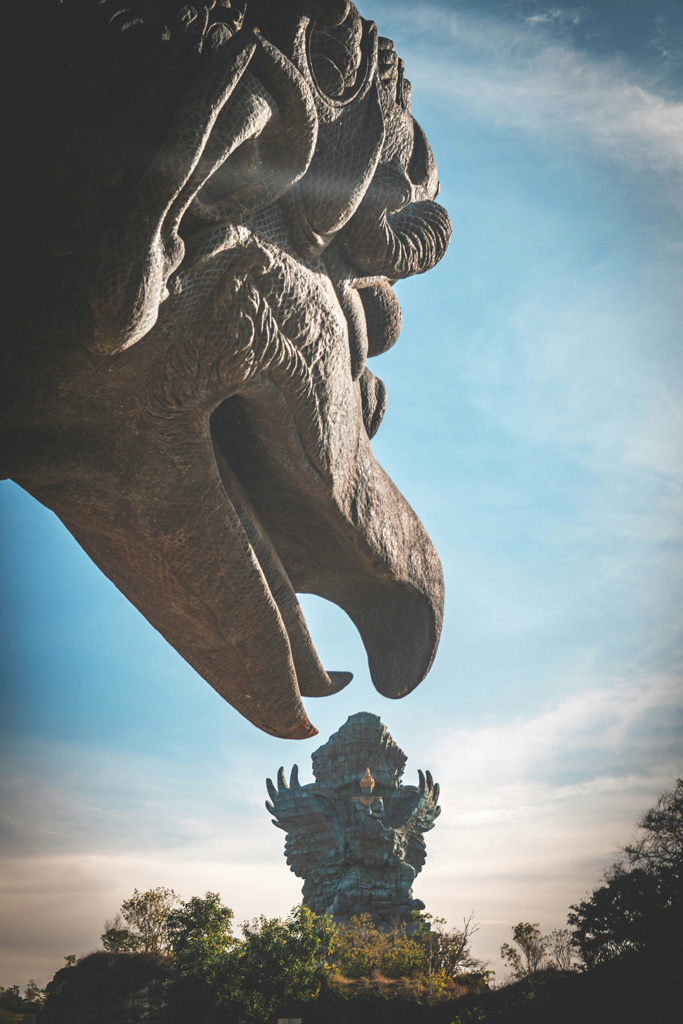
Ungasan sits on the plateau at the centre of the Bukit — slightly elevated, slightly cooler, and home to some of the best long-distance cliff photography on the island. It’s also where the Garuda Wisnu Kencana statue stands — one of the most dramatic man-made structures in all of Indonesia.
- Melasti Beach — best at: 6.30am–9am (quietest & softest light)
The most accessible dramatic beach on the Bukit — wide road access, good parking, and a setting that delivers: white sand between two enormous limestone cliffs, turquoise water, and an Instagram-famous shipwreck that’s been partially submerged at the beach’s western end. The shallow water is ideal for wading shots and couples portraits. The cliffside road above gives you elevated framing. Go early — the beach clubs set up by mid-morning and the winding road approach fills with traffic by 10am. - Garuda Wisnu Kencana (GWK) — best at: late afternoon, 3pm–5pm
The 121-metre GWK statue is one of the world’s tallest — and photographically, it’s formidable. The park’s open limestone plaza gives you clean sight lines to shoot from below, while the terraced amphitheatre provides elevated angles. The statue faces north-west, meaning afternoon light illuminates the face and chest naturally. The plaza is 250 hectares of open space — go wide and use the scale. Entry includes access to Beranda Restaurant, which serves an Indonesian buffet with the statue framed through the windows. - Dreamland Beach — best at: 8am–noon (west-facing, needs morning to mid-day sun)
Dreamland is one of the Bukit’s widest, flattest, and most photographically straightforward beaches — white sand, no rocks, clear water, and mountain views at the southern end. Unlike most Bukit beaches, it has an easier path down and is suitable for tripod shooting. The mountain backdrop to the south makes for an unusual Bali beach composition — this isn’t the typical cliff-frame shot, it’s open and expansive. Ideal for anyone who finds the cave-beach aesthetic overdone.
General photography tips for the Bukit Peninsula
- Always check the tide — Tidal Chart or Magic Seaweed apps. At least 5 of the best spots on this list are only accessible or safe at low tide.
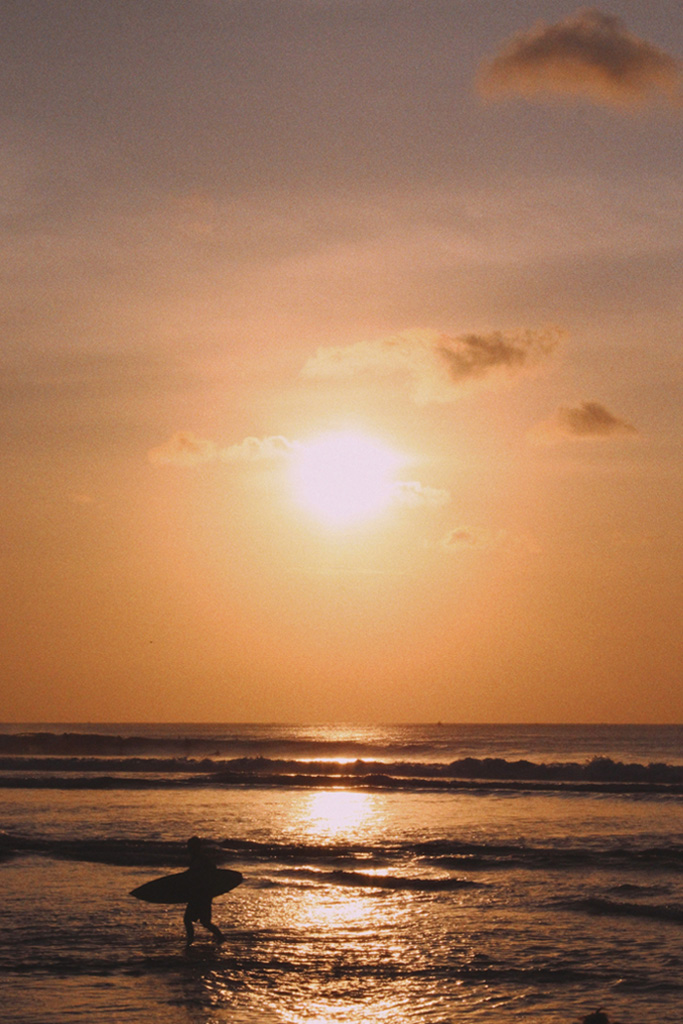
- Golden hour is 5pm–6.30pm year-round on the Bukit. The west-facing cliffs get extraordinary light; the east-facing beaches don’t. Plan accordingly.
- Go early or go late — between 10am and 3pm the light is harsh, the crowds are at their peak, and the shots are flat. The Bukit rewards the early riser and the late stayer.
- A scooter is your best tripod bag — you’ll want to move between locations fast. All of the above spots are within a 20-minute scooter radius of Beten Kepah Villas.
- Drone rules apply — flying near Pura Luhur Uluwatu is restricted as it’s a sacred site. Check Indonesian CAA regulations before flying anywhere on the Bukit.
Every spot in this guide is within scooter distance from Nyang-Nyang Retreat. Stay in a private villa or deluxe room, shoot the Bukit like it deserves, and post from the pool when you’re done. Book Direct at NyangNyangRetreat.com.